


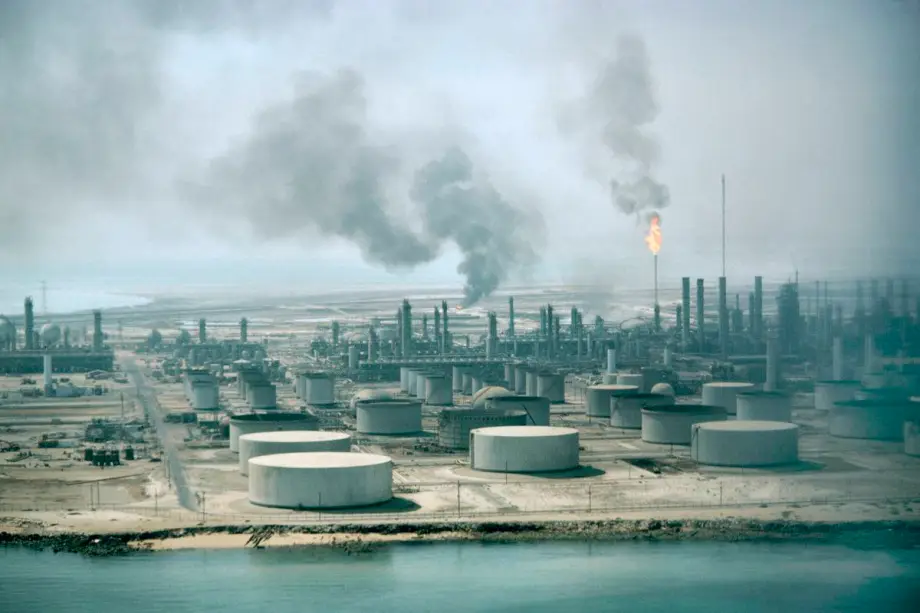
- Iran has officially accused Israel of the drone attack on Saudi Aramco’s Ras Tanura refinery, describing it as a "false flag" to incite regional escalation.
- Saudi Aramco temporarily shut down the 550,000 bpd refinery as a precaution following the strike, sparking fears of a global energy supply shock.
- The drone strike marks the fourth day of intense conflict between joint US-Israel forces and Iran, with satellite images confirming damage to critical energy hubs.
The ongoing military conflict in the Middle East reached a critical flashpoint on Tuesday as Iran officially blamed Israel for a drone strike on Saudi oil giant Saudi Aramco. Describing the incident as a “false flag” operation, Tehran’s Tasnim News Agency claimed the attack was designed to distract regional allies from the ongoing US-Israeli strikes within Iranian borders. The incident has intensified fears of a broader regional war that could paralyze the world’s most sensitive energy corridors.
Iran’s “False Flag” Defense Amid Mounting Retaliation
In a startling diplomatic maneuver, a military source quoted by Iran’s Tasnim News Agency asserted that “Aramco facilities have not been among the targets of Iranian attacks so far”. The source suggested that Israel is manufacturing these strikes to goad Gulf nations into joining the military campaign against Tehran.
However, the strike on Ras Tanura follows a weekend of unprecedented escalation. Retaliatory Iranian strikes have already hit targets across Bahrain, the UAE, Qatar, and Oman, including US military bases and commercial ports. The conflict was ignited on February 28, 2026, when US and Israeli forces launched a series of strikes that reportedly killed Iran’s Supreme Leader and targeted the nation’s nuclear and ballistic missile programs.
Middle East War Threatens Global Energy Supply as Oil Prices Surge Toward $120
The temporary shutdown of the 550,000-barrel-per-day (bpd) Ras Tanura facility has sent Brent crude futures surging toward $82 per barrel. Analysts warn that if Gulf energy infrastructure remains in Iran’s crosshairs, or if the vital Strait of Hormuz is successfully closed, oil prices could skyrocket to between $120 and $140 per barrel.

As the war enters its fourth day, the US State Department has urged American citizens to “DEPART NOW” from 14 countries in the region, citing “serious safety risks” as the conflict widens. With major energy installations in Qatar and Saudi Arabia now directly affected, the tactical “bargain” against targeting regional energy assets appears to have fundamentally collapsed.
Saudi Aramco attack FAQs
No. While Saudi Aramco temporarily halted its 550,000 bpd Ras Tanura refinery as a precaution following the March 2 drone strike, officials confirmed the blaze was “limited and quickly controlled.” Operations are currently undergoing safety assessments before a full restart.
In a “war-footing” economy, Saudi Aramco stock often acts as a hedge. Even with local infrastructure risks, the 13% spike in global Brent crude prices toward $82 per barrel significantly increases the company’s profit margins on its broader global exports.
While Iran has labeled the Ras Tanura strike an Israeli “false flag” to avoid direct blame, Saudi Aramco facilities remain in the crosshairs of regional instability. Analysts warn that any further escalation near the Strait of Hormuz could threaten 20% of the world’s daily oil flow.