


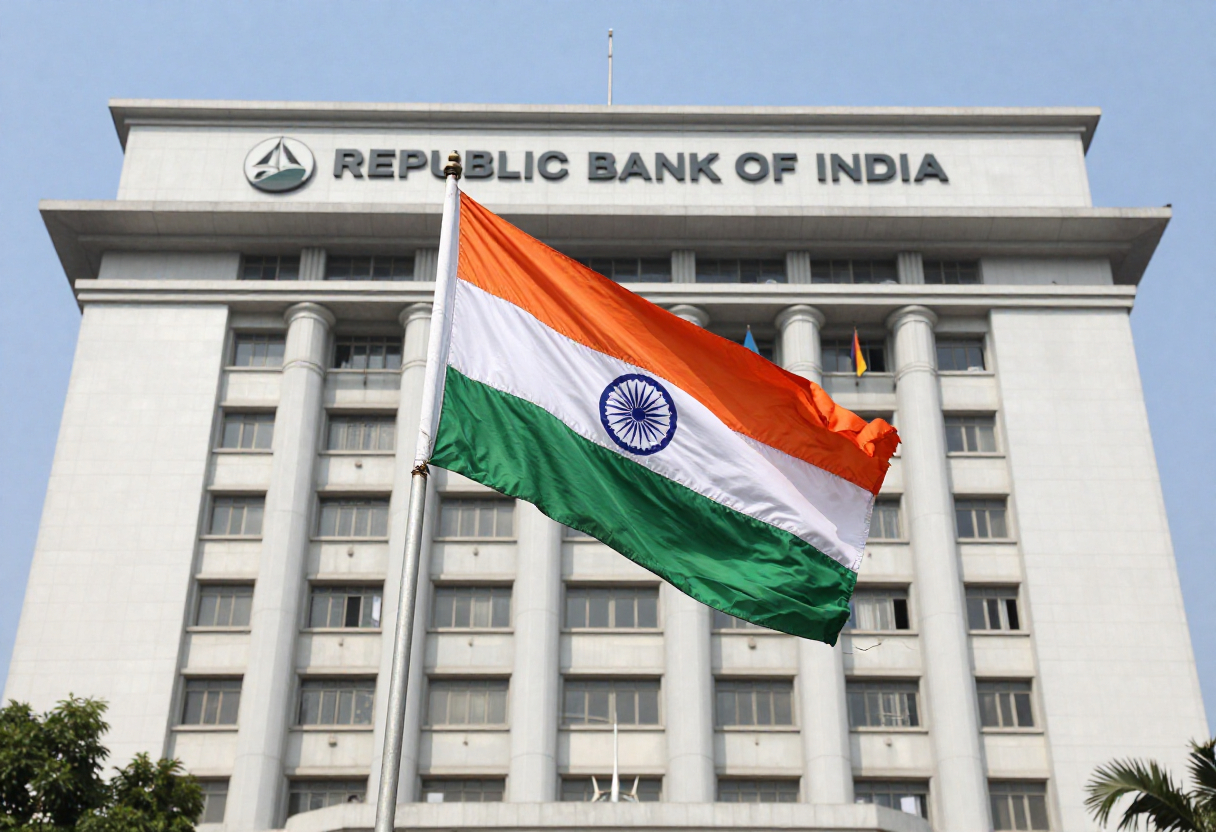
- Policy Shifts: The RBI is pivoting to a "controlled crawl", allowing the Rupee to weaken to balance a widening trade deficit despite 7.4% GDP growth.
- The new India-EU Free Trade Agreement has created a higher "structural floor" for the Euro by boosting demand for EU-denominated imports.
Today, the worldwide forex scene displays a EUR/INR exchange rate swinging from one leg to another equilibrium between Eurozone monetary system and India’s changing trade realities. Currently, the cross is around 107.2158, notching a mild 0.17% gain on a day. While the momentary material price action looks limited in either direction. The broader scope is anything but: the pair has rallied more than 17% this year alone and a structural revaluation is moving into its next stage.
Current Market Dynamics
The euro remains nicely perched above 1.18 versus the US dollar, which has maintain a solid base for the EUR/INR cross. This strength owes to a retreating US dollar, who has struggled against environment following recent judgments in the United States which curtailed the generic use of their International Emergency Economic Powers (IEEPA) for tariffs.
Not only is Indian economy facing the burn of external pressure, but rupee in Indian domestic market also seems to choked by external factors. Brent crude at $71.74 per barrel continues to put pressure on India’s current account while Foreign Institutional Investors (FII) outflows have kept the local unit under pressure. But the Reserve Bank of India (RBI) seems quite happy to let the “controlled crawl” go on, where Rupee now can happily trade at 90.75 to 91.25 range vs Greenback than burning through reserves defending arbitrary psychological levels.
The Macro Divergence: ECB vs RBI
The early 2026 defining theme is the “policy plateau.”
The Eurozone: The ECB is on a long pause with its refi rate at 2.15%. With headline inflation hitting 1.7%, President Christine Lagarde has suggested the bank is in a “good place”. Ongoing Recovery and Resilience Facility (RRF) disbursement continues to fund Eurozone energy and defense re-shoring, a fundamental growth engine supporting the currency.
The Indian Economy: India is described by Sanjay Malhotra, governor of the Reserve Bank of India, as being power in a “Goldilocks” zone — which means high growth (7.4% GDP forecast) and inflation that is controllable. The RBI kept the repo rate unchanged at 5.25% in the February 6 MPC meeting. The “pro-growth” position of it is unmistakably the case but you can see that the details in regard to the widening trade deficits (import +7.9% versus exports 1.9%) rhymes with a rupee trajectories path of least resistance, tilt downwards against stronger majors like euro.
The FTA: A Structural Pivot
India-EU Free Trade Agreement (FTA) that ends on January 27, 2026 is the biggest structural change in a decade. The deals slashes tariffs are 96.6% of EU goods, effectively restructuring capital flows.
For Europe: The instant duty, elimination of machinery and reduction in wine tariff (150% to 75%, with the trajectory that will take it to 20%) will result in increased Euro-denominated demand within India.

For India: The trade will boost exports in textiles and leather, but the increase in high-value imports from Europe means that the balance of trade settlement rates themselves, favor the EUR’s strength towards INR on a medium-term horizon.
Technical Outlook and Prediction
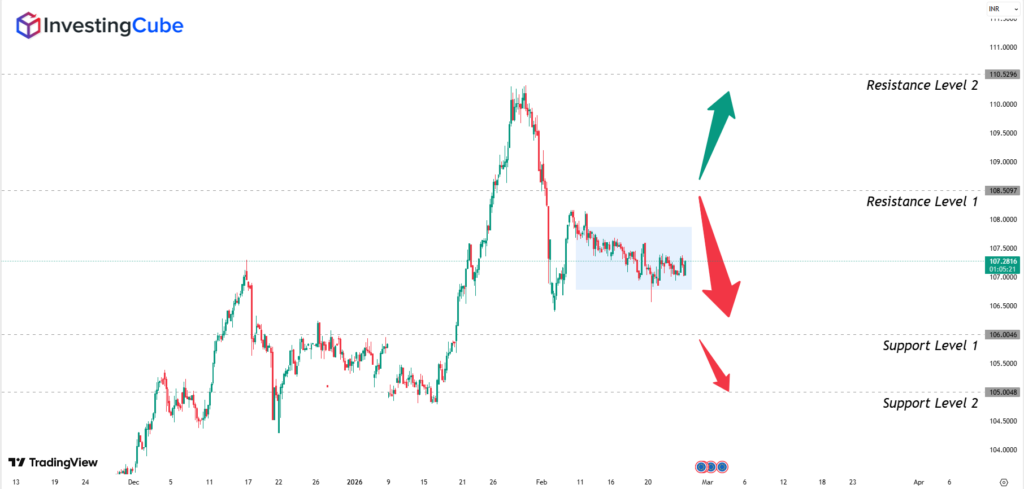
The EUR/INR pair continues to trade within a long-term bullish channel. It is now consolidating after peaking at 110.53 in late January. The Relative Strength Index (RSI) is now core-pumping around a neutral 50 to 55 area, indicating that the recent “overbought” conditions have been washed out.
Support: The 105.00-106.00 area place the key “buy zone” for institutional players.
Resistance: A persistent move above 108.50 would suggest a test of the 110.53 peak.
Forecast at the end of 2026: We see the EUR/INR cross challenging the 113.44 – 115.00 range by Q3 2026. While short-term volatility is guaranteed due to fluctuating crude prices and the “Trump effect” on global trade, the structural trend bolstered by the new FTA and ECB’s stability — favors the euro.
Frequently Asked Questions
It primarily affects commercial trades and a structure of duties in both nations. However, as it increases the need for euros in commercial settlements, this creates a higher “structural floor. for the exchange rate. For travelers this mainly means that the Euro will stay relatively highly-priced versus the rupee compared with medium-term historic averages.
The pair is technically in consolidation mode. And although 107.21 is away from recent peaks, somewhere around 105.50-106.00 support zone would be a more appealing entry for longs on this to hold time frame. Break above 108.50 might signal next leg of the rally.
This is the “growth-deficit paradox”, even as India’s internal economic surges, its trade deficit is growing — It’s purchasing more (notably oil and high-end machinery) than it can sell. Under the new FTA framework, the “light-touch” intervention of RBI also helps in a slight depreciation of rupee to keep exports competitive.